








Good study notes do more than record what a teacher says. They help you notice the main idea, connect it with what you already know and find the information when you need it. If your notes are long but you cannot explain the topic later, the problem may not be your memory. You may be copying too much and thinking too little.
There is no single note-taking method that works for every subject. A maths lesson needs worked steps. A history topic may need dates, causes and links between events. A practical course may need a checklist or a diagram. The best method is the one that helps you understand and use the material.
This guide shows how to take notes from books, videos and live lessons, then turn them into a simple review system. You can use it in school, university, professional training or independent learning.
Decide what your notes are for
Before you write, ask what you will need to do with the information. Are you preparing for an exam, learning a process, writing an assignment or practising a skill? Your purpose changes what you should record. For an exam, you may need definitions and examples. For a work task, you may need steps, risks and decisions.
Read the lesson outline or learning outcomes first. They show what the course expects you to understand. Use them as a filter. If a paragraph gives background that does not support the goal, you may not need to copy it. If a point is central to an outcome, make sure you can explain it in your own words.
Keep notes separate from the source material. A textbook or video contains the full explanation. Your notes should capture the structure and the parts you want to revisit. If you write every sentence, you may spend so much time recording that you stop following the lesson.

Choose a note format that suits the subject
Match the format to the task
For a topic with clear headings, use an outline. Write the main idea, then add supporting points and examples below it. This works well for reading, lectures and topics with a logical order. Leave space to add questions or corrections later.
For a lecture that compares ideas, use a two-column layout. Put the concept or question on the left and the explanation on the right. You can cover the explanation later and test whether you remember it. For a process, use numbered steps or a flow chart. For a formula, include what each symbol means and one worked example.
The Cornell method is another option. Divide a page into a note area, a narrow cue column and a short summary section. Write key details during the lesson, add questions or keywords after it, then summarise the main idea in a few sentences. The format encourages you to revisit the notes instead of filing them away.
Listen for meaning, not every word
During a live lesson, focus on the teacher’s main points, examples and explanations of difficult ideas. Notice when a speaker repeats a concept, compares two approaches or explains why a common answer is wrong. These moments often reveal what matters.
Use short phrases while listening. You can expand them after the lesson. If the teacher gives a long example, record the problem, the steps and the result rather than every detail. If you miss a point, add a question mark and return to the recording or reading later. Do not let one missed sentence stop you from following the rest.
For recorded lessons, pause at natural breaks. After a section, close the video and write what you remember. Then replay only the part you could not explain. This takes more effort than letting a video run, but it gives you a better check of what you understood.

Summarise ideas in your own words
After reading a section, look away from the page and explain the idea as if you were teaching a friend. Use simple language. If you cannot explain it without copying the original sentence, you may need to read the section again or find another example.
Keep a short definition, one example and one question for each major concept. For example, if you are learning opportunity cost, define it as the value of the next best option you give up, then add a simple choice such as spending an evening studying instead of taking extra paid work. The example helps make the definition meaningful.
Do not remove all detail in the name of brevity. Some subjects need conditions, exceptions or steps. A good summary is short enough to review but complete enough to prevent a wrong conclusion. Add a source or page reference so you can return to the original material when needed.
Turn notes into questions for active recall
Active recall means trying to retrieve information from memory instead of only reading it again. It can feel harder than highlighting, but that effort helps reveal what you know and what needs more work. After a lesson, turn headings into questions. If your heading is “Stages of a project”, ask “What are the main stages and what happens in each one?”
Cover the notes and answer the questions. Write or speak the answer before checking. Mark any part you missed, then review that section. Try again later. This method works for definitions, processes, language learning, formulas and many other subjects.
Use flashcards for facts that need quick recall, but keep each card focused. One card should ask one clear question. Do not put a full page of notes on the back. For a complex topic, use a prompt that asks you to explain a process or compare two ideas.

Review notes over time instead of cramming
Review soon after the lesson while the topic is still fresh. Then return to it after a few days and again after a longer gap. The exact timing depends on the subject and the date of your assessment. The important point is to spread review across time rather than doing all of it in one sitting.
At each review, try to recall the main points before opening your notes. If you remember them well, move on to a harder question or a new example. If you forget a key idea, check the explanation and practise again. This keeps review focused on the parts that need attention.
Do not treat a review schedule as a strict rule. If you have a test tomorrow, you may need a shorter cycle. If you are learning a skill for long-term use, return to the material over weeks or months. Adjust the plan to the goal.
Keep digital and paper notes easy to find
Choose one main system for each course. Digital notes are easy to search and back up. Paper notes can help some learners focus and draw diagrams quickly. You can use both, but avoid scattering information across many apps, loose sheets and message threads.
Use clear file names with the course, topic and date. Create a folder for each module and keep readings, assignments and notes separate. Add headings so you can scan a long document. If you use a note-taking app, check whether it syncs across devices and how you can export your work.
Keep personal data safe. Do not upload private work documents, student records or confidential material to an unapproved service. If your course or employer has rules about digital tools, follow them. A useful note system should protect information as well as organise it.
Use notes to solve problems, not only to pass tests
For practical subjects, notes should help you perform a task. If you are learning spreadsheet analysis, write down the steps to clean data, check formulas and explain a result. Then practise with a new dataset. If you are learning a language, record phrases in context and use them in a short conversation or paragraph.
For professional training, add a section called “Where I can use this”. Write one real situation from work or daily life where the idea may help. This creates a bridge between theory and action. When you use the skill, return to the notes and update them with what worked.
For group projects, keep a record of decisions, owners and next steps. Do not use notes to store rumours or personal comments about classmates. Record what the team agreed and what needs follow-up.
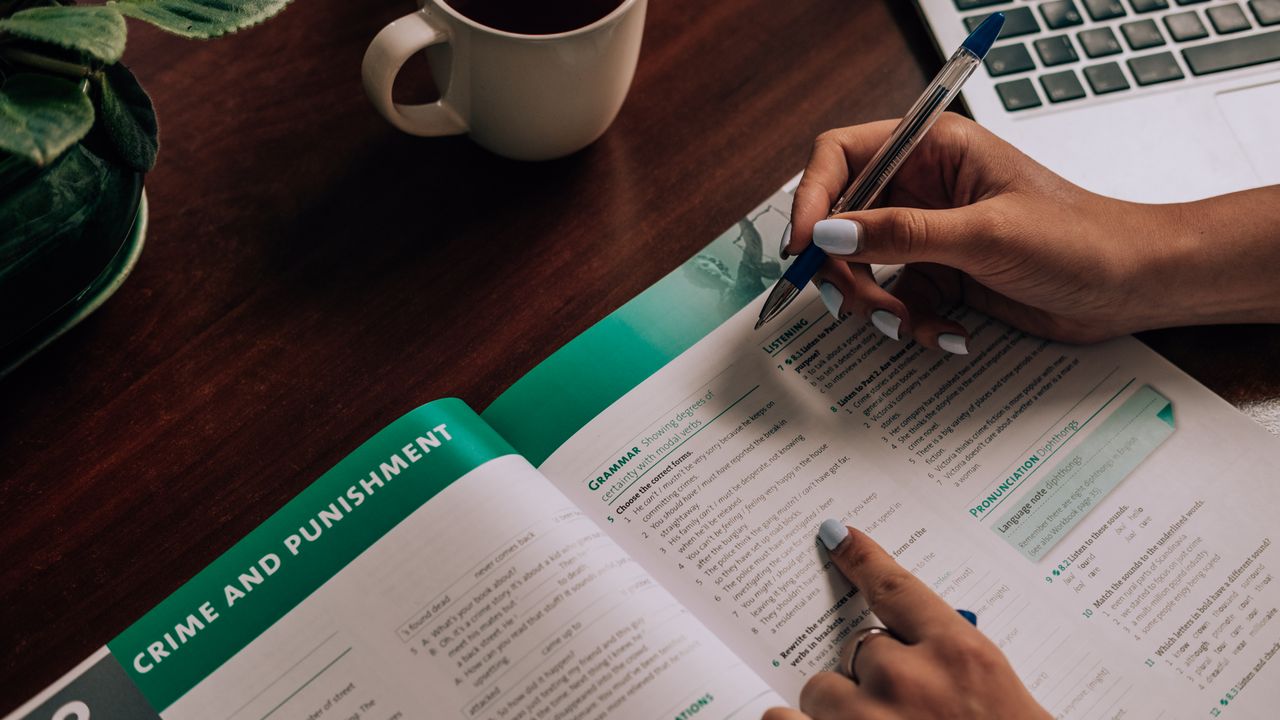
Common note-taking mistakes to avoid
- Copying full paragraphs without checking what they mean.
- Highlighting most of a page so nothing stands out.
- Using abbreviations that you cannot understand a week later.
- Keeping notes without testing yourself or reviewing them.
- Making a complex system that takes more time than the learning itself.
Conclusion: make notes that help you think
Better study notes are clear, selective and easy to review. Choose a format that fits the subject, write ideas in your own words and turn key points into questions. Review over time and use the information in practice.
You do not need beautiful pages or a perfect app. You need notes that help you explain an idea, find a weak point and take the next step. If your notes do that, they are doing their job.