








Going back to education after a long break can feel like starting from the beginning. You may have work, family duties or other commitments. You may also wonder whether you can still study well after years away from a classroom. These concerns are normal, but they do not mean you are too late to learn.
Adult learners bring useful experience to study. You may already know how to manage deadlines, solve problems, work with people or learn new systems on the job. The challenge is to connect that experience with a course that fits your goals and your life today.
In May 2026, the International Labour Organization’s report on lifelong learning and skills for the future stressed that learning happens across formal education, work and daily life. It also noted that access to structured training remains unequal. This is a reminder that adult learning should be flexible and accessible, not limited to people who can study full time.
Start with a reason that matters to you
Write a goal you can test
Before you compare schools or courses, write down why you want to return to education. A clear reason helps you choose the right level and avoid spending time on a qualification that does not meet your needs. Your goal may be to enter a new field, gain a required licence, improve a skill, finish a qualification you once paused or learn for personal interest.
Make the goal specific. “I want to improve my career” is broad. “I want to qualify for entry-level project coordinator roles by learning project planning and reporting” gives you a direction. It also helps you decide whether you need a degree, a short course, a professional certificate or practical experience.
Think about what success would look like in six or twelve months. It may be passing one module, completing a portfolio project or being able to apply for a new type of role. Choose a goal that you can measure without making your life harder than it needs to be.

Check your starting point without judging yourself
You do not need to remember everything you learned years ago. Start by checking the skills your course expects. These may include reading academic material, writing short assignments, using spreadsheets, searching for reliable information or joining online classes. Review the course entry guidance and ask the provider what support is available.
If you feel rusty, take a short refresher before the main course begins. A free study-skills module, a library workshop or a basic digital skills course can help you rebuild confidence. The Open University’s study skills resources offer a starting point for people who are studying for the first time or returning after a break.
Test your current level with a small task. Read a short article and write a five-sentence summary. Use a spreadsheet to organise a simple budget. Watch a lesson and write down three key points. Notice what feels easy and what needs practice. This gives you a practical plan instead of a vague worry that you are not ready.
Choose a course that fits your real schedule
Course choice is about more than the subject name. Check how lessons are delivered, how much independent study is expected, when assessments are due and whether attendance is fixed. A flexible course may let you study in the evenings or at weekends. A live course may offer more direct support but require you to be online at set times.
Read the course outline and sample materials before you pay. Confirm the total cost, refund rules, equipment needs, access period and any extra fees for exams or certificates. If the qualification is important for a regulated job, check that the relevant professional body or employer recognises it. Do not rely only on a provider’s marketing claims.
Ask how learners get help when they fall behind. Is there a tutor, discussion forum, study adviser or technical support team? Can you pause or defer a module? These details matter if you have caring duties, shift work or a period when your schedule may change.

Build a weekly study routine you can keep
A realistic routine is more useful than an ambitious timetable that lasts for four days. Look at your week and identify times that are usually available. You might study for 30 minutes before work, complete a longer session on Saturday or review notes during a quiet lunch break. Choose times that match your energy and responsibilities.
Break a large task into small actions. Instead of writing “study biology”, set a task such as “read section two and answer five review questions”. Small tasks make it easier to begin and help you see progress. Use a calendar or planner to note lessons, assessment dates and personal commitments.
Protect some study time, but leave room for life. If a child becomes ill or a work shift changes, move the session rather than deciding that the whole plan has failed. A weekly review can help you catch up without losing track of the next deadline.
Make a simple weekly plan
- Choose two or three study blocks that fit your normal week.
- Write one clear outcome for each block.
- Set an earlier personal deadline for major assignments.
- Keep one spare block for revision or unexpected delays.
- Review your plan each weekend and adjust it when needed.
Learn how to study again
Reading a chapter several times can feel productive, but it does not always help you remember the ideas. Use active methods. After a short section, close the book and explain the main point in your own words. Create questions from your notes and try to answer them later without looking. Use practice problems when the subject involves calculations or procedures.
Space your revision across several days. A short review after a lesson, another after a few days and a final review before an assessment can help you find gaps early. If you only revise the night before an exam, you may discover too late that you misunderstood a topic.
Connect new ideas to what you already know. A person who manages a shop may understand stock control more quickly when learning basic operations management. Someone who has cared for family members may recognise planning and communication skills in a health or social care course. Your experience can make abstract ideas easier to understand.

Use support before a problem becomes serious
Ask questions when a lesson is unclear. Tutors and course teams can often help more quickly when you explain the exact point that is confusing you. Instead of writing “I do not understand the assignment”, say “I understand the topic, but I am not sure whether the report needs a comparison or a recommendation.” This gives the tutor something specific to answer.
Use the library, writing centre, accessibility team or student support service if they are available. If you have a disability, health condition or learning need, ask about reasonable adjustments and accessible materials. You do not need to wait until you fail an assessment to request support.
Study with other learners when it helps. A small group can share notes, explain difficult ideas and keep each other on track. Agree on a clear purpose for each meeting so it does not become a social chat that replaces study time. If group learning does not suit you, an online forum or one-to-one tutor may be a better fit.
Plan the cost and protect your finances
Work out the full cost before you enrol. Include tuition, books, software, travel, internet access, childcare and any time away from paid work. Some providers offer payment plans, grants, employer support or reduced fees for eligible learners. Check official government, school or professional association sources for funding rules in your location.
Be careful with claims that a course guarantees a job or a high salary. Ask for clear evidence about completion rates, recognition and graduate outcomes. Compare the course with lower-cost options such as public libraries, open learning resources or employer training. Free learning can help you explore a subject before you commit to a larger fee.
If your employer may benefit from the skill, ask whether they support professional development. A clear request can explain the skill, the course cost and how the learning could improve your work. Do not assume funding is available; check the policy and get any agreement in writing.
Manage confidence and the fear of being behind
Adult learners may compare themselves with younger classmates or people who have studied continuously. Try not to measure your progress against someone else’s path. Your responsibilities and experience are different. Focus on the work you can control: attend, practise, ask for help and submit tasks on time.
If you make a mistake, treat it as information. A low mark may show that you need a clearer structure, more practice or a better understanding of the assessment criteria. Read the feedback, identify one change and apply it to the next task. If the feedback is unclear, ask for an example of what a stronger answer would include.
Protect your rest. Studying late every night may work for a short period, but it is not a sound long-term plan. Keep sleep, meals and breaks in your routine. A steady pace is more likely to help you finish than repeated bursts of overwork.
Turn learning into a practical next step
As you progress, save evidence of what you can do. Keep project files, completed assignments, practical demonstrations or a short record of skills. Do not share private course material or another learner’s work. Create your own summary of the task, your role and what you learned.
If your goal is career change, compare the skills you gained with job descriptions. Ask a tutor or experienced worker to review your portfolio. Update your CV with outcomes rather than only course names. For example, “Created a monthly budget model using spreadsheet formulas” gives an employer more information than “Completed spreadsheet course”.
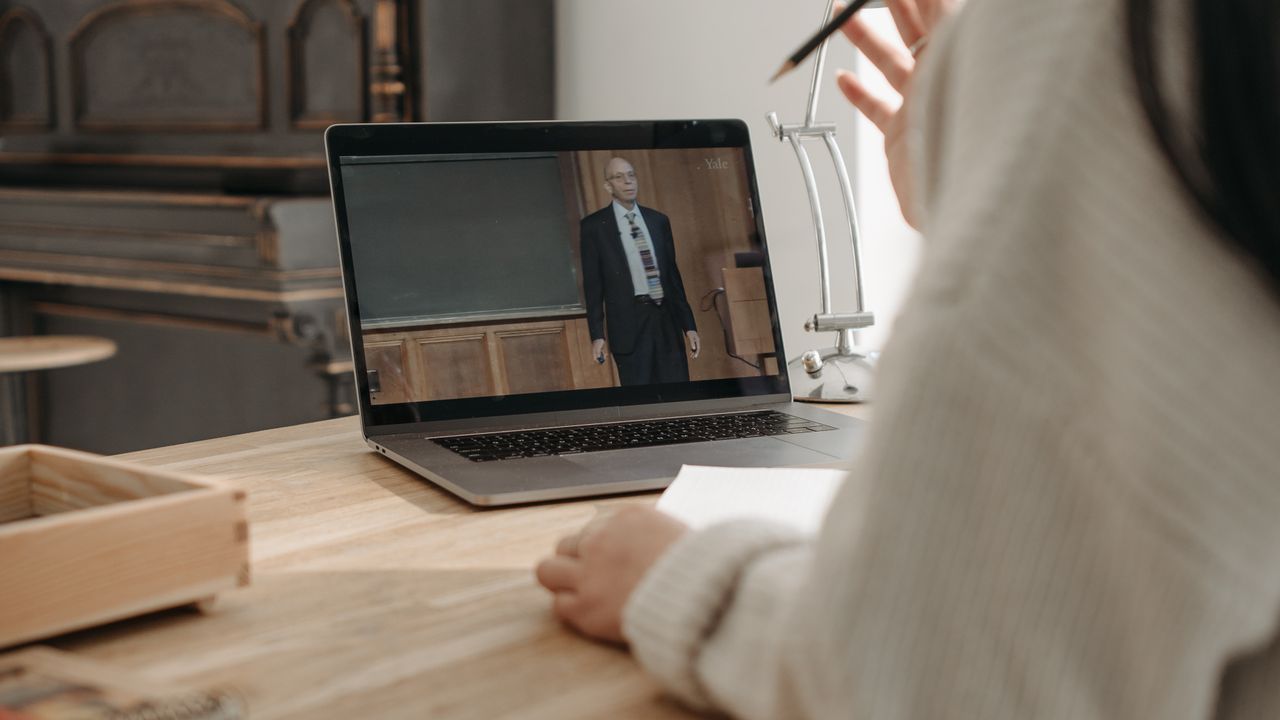
Conclusion: return to learning one step at a time
Returning to education after a long break is easier when you begin with a clear goal and a realistic plan. Check your starting skills, choose a course that fits your schedule, build a routine and use support early. Study in short, focused sessions and connect new ideas to your own experience.
You do not need to do everything at once. One module, one assignment or one new skill is a valid start. With a course that meets your needs and a routine you can maintain, education can become part of your life again.